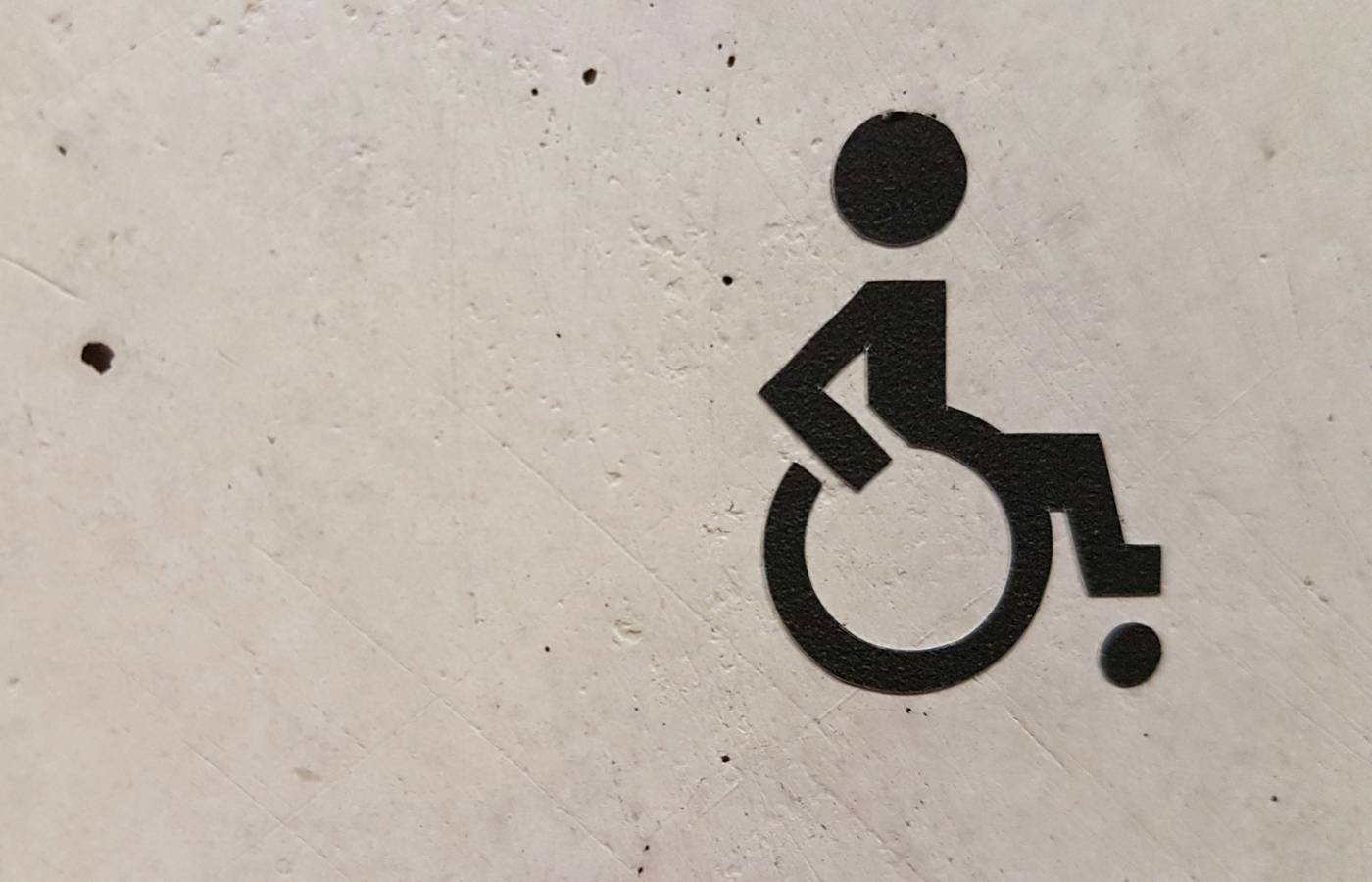
Ableism is the conscious and unconscious assumption that disabled people are inferior to non-disabled people. It can be placed in the same remit as homophobia, sexism, racism and other types of discrimination, and can unconscious and unintentional. In the workplace, ableism is very much in force through work policy, legislations, and physical structures. For example, legislation refusing to make adaptations for a disabled colleague such as working from home or more flexible work hours, no disabled carpark bays, buildings that do not have brail on signs, or lifts that do not go to all floors. These are very obvious forms of ableism and issues that we, as employees, cannot control. We may, therefore, feel that we can be ‘let off’ regarding ableism in the workplace; it’s ‘not our fault, so not their problem’ – however, the majority of ableist practices that discriminate our disabled colleagues come from us. Our careless words, actions or even thoughts are the main drivers of ableism in the workplace. These are often unintentional and unconscious, which may be why we worry about interacting with our disabled colleagues – we are afraid of being offensive and saying the wrong thing as we don’t know how to act or what to say. Through this blog, I hope to address this fear by sharing some very simple ways we can both avoid being the source of ableism and improve disability inclusion in our workplace.
There is no one ‘right way’ of interacting or working with a disabled colleague; every single person is different. Rather than thinking of the ‘right way’ to include a disabled colleague, we can instead do various ‘right things’ through our words, interactions, thoughts and practice. When reading this, I hope you will consider these very small considerations not as special treatment or special practices, but as something that should be our standard practice. These changes can be done with very little effort, but can make a hugely positive difference for an inclusive workplace.
Language in disability is very contextually specific, constantly evolving and each person may have their preferred term. It is, however, important to avoid certain words and phrases when interacting with disabled and non-disabled colleagues alike.

At times, ableism comes from a place where we appear to ignore disabled colleagues as we think the easiest way not to offend is simply not to interact. Avoiding disabled colleagues, however, is ableist. The easiest way to interact with colleagues is, of course, to simply use that person's name. Before this is known, introducing yourself in the following ways may help to build rapport and break down awkward barriers:

There are many different examples of non-disabled colleagues thinking they are doing the right thing, but really they are being ableist. For example, helping a wheelchair user lift something without asking first. This ableism is unintentional and most disabled people appreciate that this comes from a place of good intentions. It is however, non-disabled people's responsibility to learn to consider and never assume.

There are numerous free and easy ways that we can be inclusive in our communications, meetings, and presentations. A simple Google search will highlight various adaptations and settings we can use in different software's such as Zoom, Microsoft Teams, Outlook, and PowerPoint. Below are just a few that can and should be used by everyone, not just for specific colleagues but in general practice:
This is but a start to how we as colleagues can begin to dismantle ableism in the workplace. By targeting positive attitudes and relationships between colleagues, many of the negative and discriminatory experiences that disabled colleagues experience can be addressed. These small changes can be the start of big, positive impacts regarding creating a more disability inclusive workplace.